Where science, consciousness, and visionary thinking meet.
This space is a quiet invitation to remember our shared humanity—where coherent hearts, awakened awareness, and inspired visions of the future intertwine. Here, inner harmony becomes collective possibility, and the path toward unity, sustainability, and peace begins within us all.
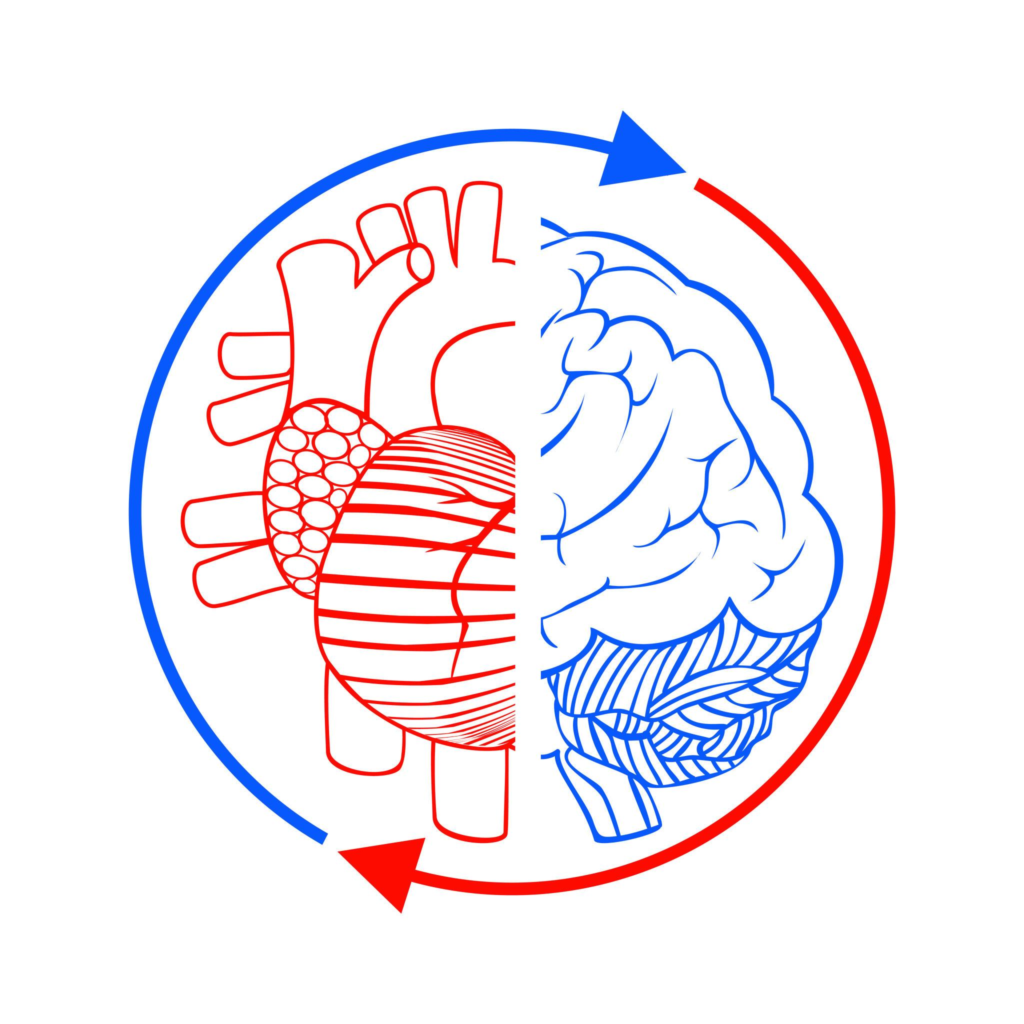
Heart–Brain Communication
Based on research by HeartMath Institute
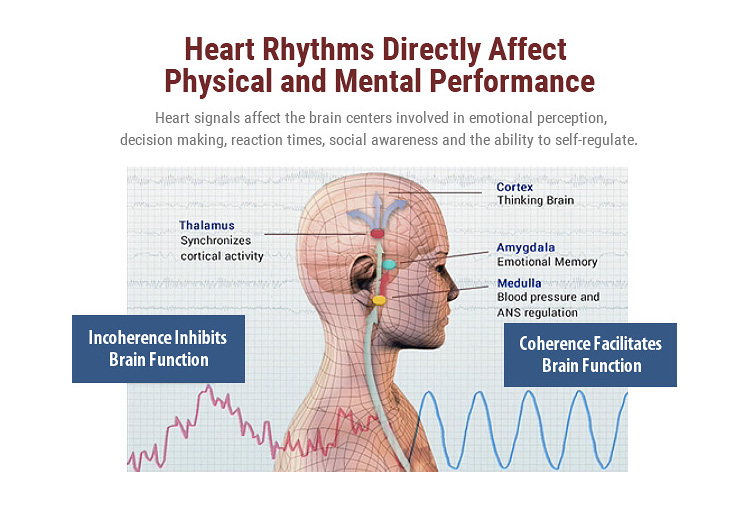
The heart and brain are in continuous communication through neural signals, hormones, and electromagnetic activity. Research shows that the heart sends more information to the brain than the brain sends to the heart, influencing how we perceive reality, process emotions, and make decisions. This communication directly affects mental clarity, emotional balance, and stress responses.
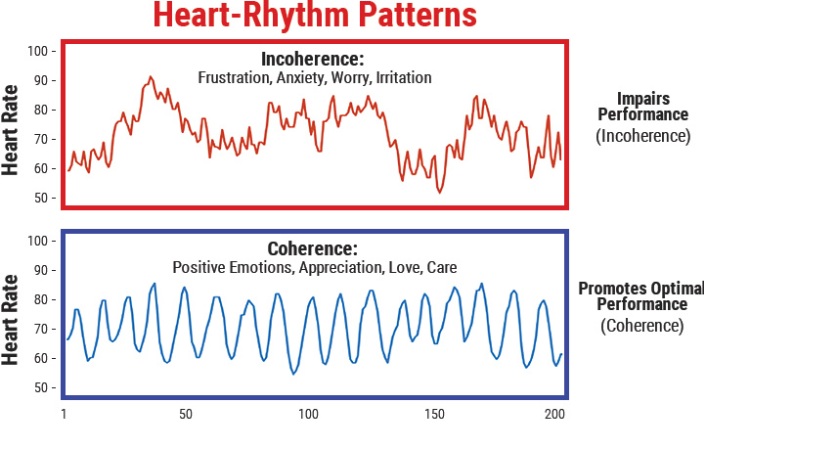
When heart rhythms are chaotic—often caused by stress or unresolved emotions—the brain receives inconsistent signals, leading to confusion, impulsive reactions, and reduced focus. In contrast, smooth and coherent heart rhythms support emotional stability and enhance cognitive performance. This explains why calm emotional states often lead to better judgment and insight.
Learning to consciously influence heart rhythms allows individuals to improve emotional awareness and mental clarity. The heart becomes an active participant in intelligence, intuition, and self-awareness.
Self-Reflection Question
How might my emotional state be shaping the way I think, decide, and perceive my life right now?
2. Emotional Self-Regulation
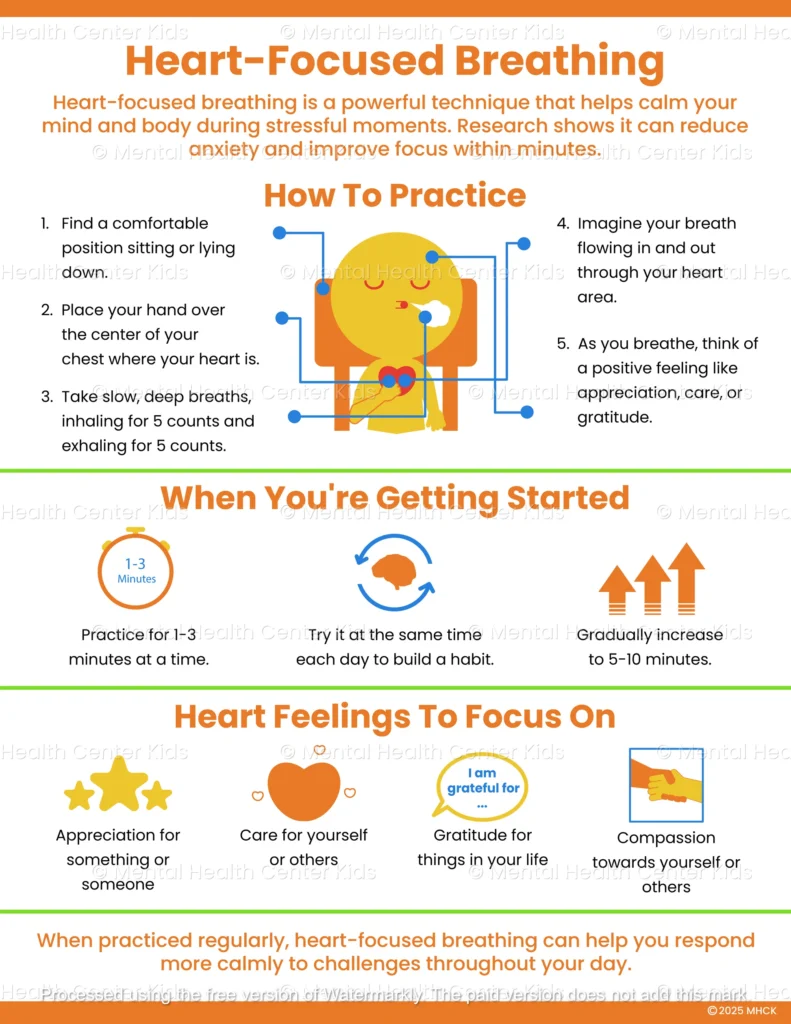
Emotional self-regulation is the ability to remain balanced during emotional challenges rather than being overwhelmed by them. Daily stressors often trigger automatic reactions that bypass conscious choice. Heart-based self-regulation techniques create a pause between emotion and response, allowing clarity to return.
Through heart-focused breathing and intentional emotional shifts, the nervous system moves from reactivity to stability. This process reduces emotional intensity and strengthens resilience. Over time, individuals develop greater awareness of their internal states and learn how to guide emotions constructively rather than suppress them.
Emotional self-regulation supports healthier relationships, clearer communication, and personal confidence. It transforms emotional reactions into opportunities for growth.
Self-Reflection Question
When strong emotions arise, do I respond with awareness—or do they control my actions?
Heart Coherence
Heart coherence is a state where heart rhythms become smooth and synchronized, allowing the nervous system, brain, and body to function in harmony. This state is associated with emotional balance, mental clarity, and physical efficiency.
In coherence, stress hormones decrease, energy is conserved, and emotional responses become more measured. This state is not accidental—it can be intentionally cultivated through focused breathing and positive emotional engagement. Even brief moments of coherence can significantly improve emotional stability.
Practicing coherence regularly trains the body to recover faster from stress and maintain balance during challenges. It becomes a foundation for resilience and well-being.
Self-Reflection Question
How often do I allow myself to experience genuine calm and inner alignment?
. Stress Reduction
Chronic stress keeps the body in a constant state of alert, affecting emotional health, immunity, and mental clarity. Heart-based stress reduction techniques work by signaling safety to the nervous system, allowing the body to relax and restore balance.
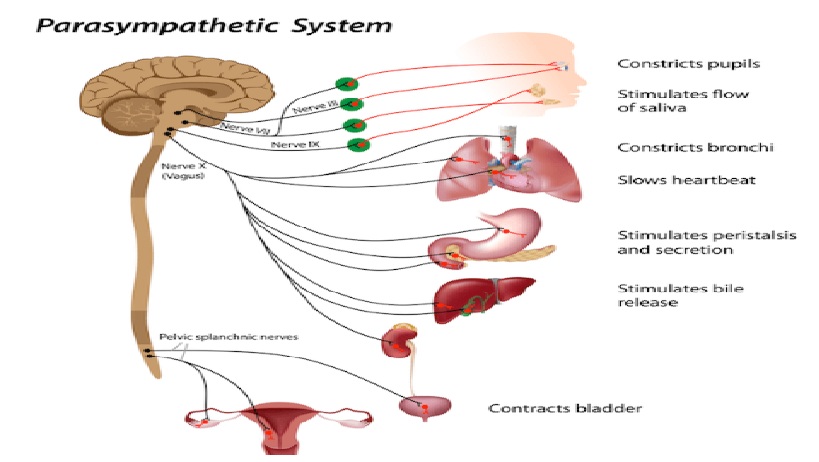
Through controlled breathing and heart awareness, stress hormones decrease and the parasympathetic nervous system activates. This creates a sense of calm that supports emotional stability and clear thinking. Unlike avoidance-based relaxation, these techniques can be practiced during daily activities.
With consistent practice, stress becomes manageable rather than overwhelming.
Self-Reflection Question
What would change in my life if my body no longer felt the need to stay in survival mode?

Improved Focus and Clarity
Focus and clarity depend heavily on emotional balance. Stress and emotional overload scatter attention and reduce cognitive performance. When heart rhythms are regulated, the brain gains access to higher levels of concentration and awareness.
Heart-focused techniques stabilize emotional input, allowing the mind to focus without strain. Tasks become easier, decisions become clearer, and mental fatigue decreases. Focus becomes sustainable rather than forced.
This clarity supports creativity, learning, and intentional action.
Self-Reflection Question
How different would my daily life feel if my mind were consistently calm and clear?
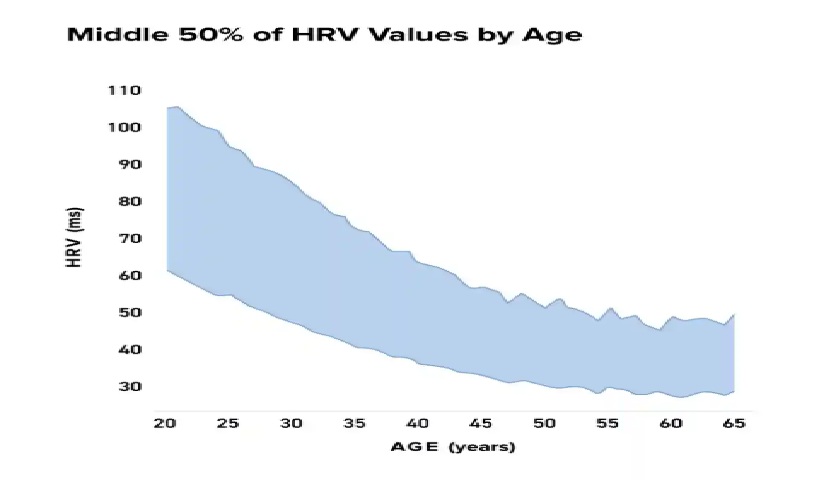
Heart Rate Variability (HRV)
Heart Rate Variability (HRV) measures the variation between heartbeats and reflects how adaptable the nervous system is to stress. Higher HRV indicates resilience, flexibility, and emotional balance, while low HRV suggests chronic stress or emotional strain.
HRV provides measurable insight into how emotions affect the body. Positive emotional states increase HRV, while prolonged stress reduces it. This makes HRV a powerful indicator of overall well-being.
By practicing coherence, individuals can improve HRV and emotional resilience.
Self-Reflection Question
How resilient am I when life places pressure on me?
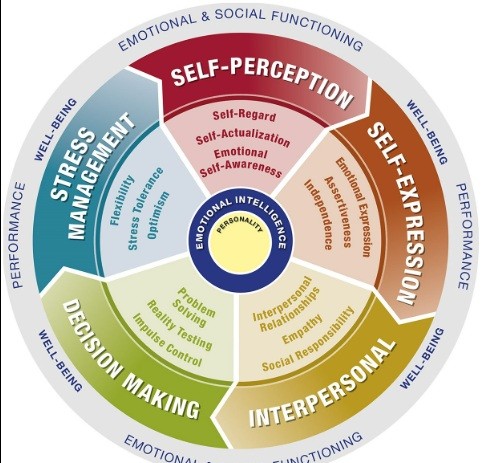
Emotional Intelligence
Emotional intelligence is the ability to understand, manage, and respond to emotions effectively. Heart-based regulation strengthens this ability by stabilizing emotional responses before interaction occurs.
When emotions are regulated, empathy increases and communication becomes clearer. Emotional intelligence improves relationships, leadership, and self-awareness. Responses become intentional rather than reactive.
This allows individuals to navigate complex emotional situations with confidence and clarity.
Self-Reflection Question
Do my emotions strengthen my relationships—or strain them?
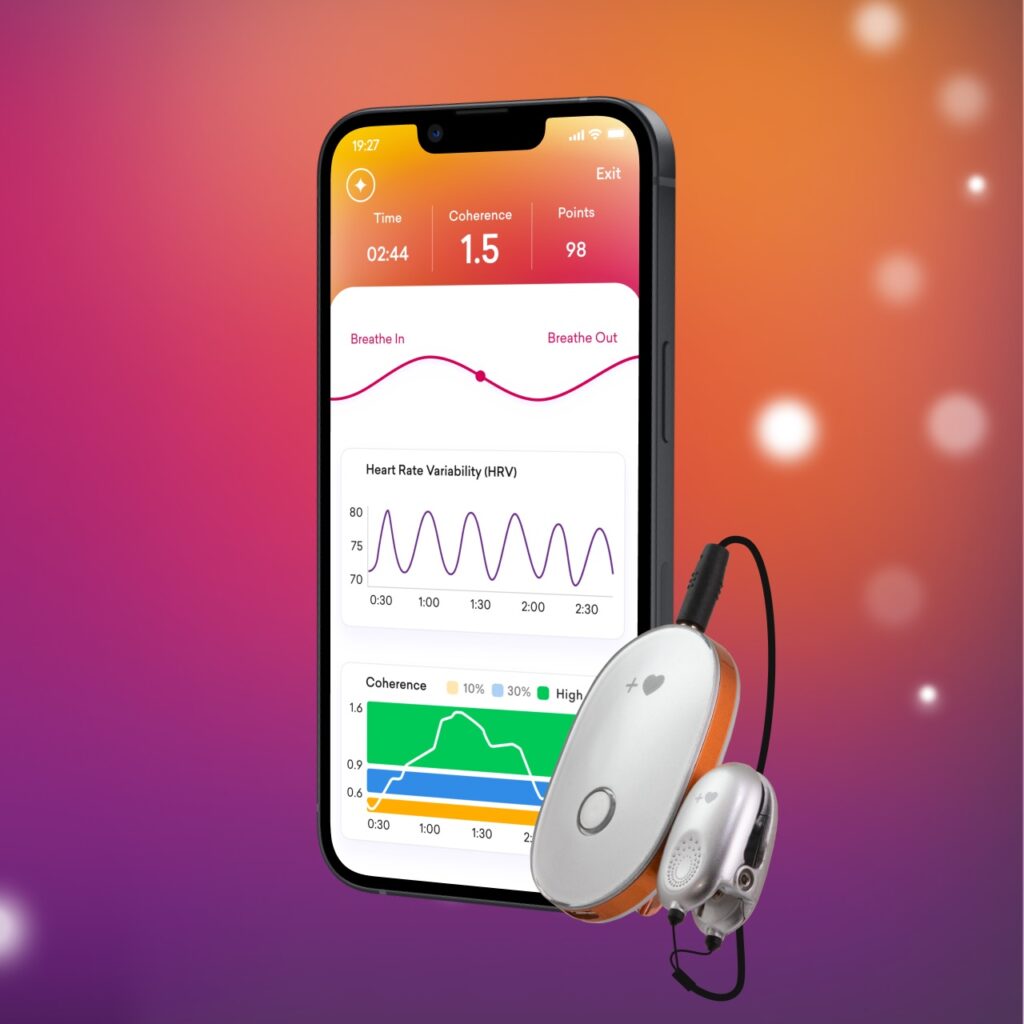
Biofeedback Technology
Biofeedback technology makes invisible physiological processes visible. By displaying heart rhythm patterns, users can see how emotions influence the body in real time.
This feedback accelerates emotional learning and builds confidence in self-regulation. Emotional mastery becomes measurable and repeatable rather than abstract.
Biofeedback bridges science and self-awareness.
Self-Reflection Question
What might I discover about myself if I could clearly see how my emotions affect my body?
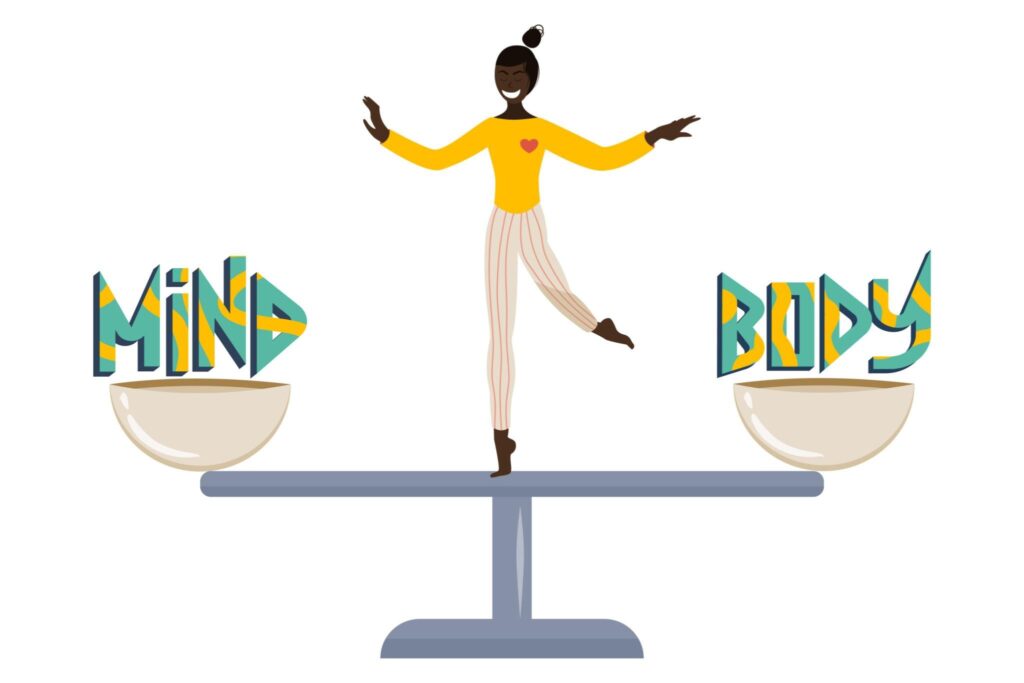
. Mind–Body Balance
Mind–body balance occurs when emotional, mental, and physical systems work together harmoniously. The heart plays a central role in coordinating this balance through nervous system regulation.
Balanced emotions support physical health, energy flow, and mental clarity. When harmony is restored, tension decreases and vitality increases.
Heart-based practices promote long-term wellness and emotional stability.
Self-Reflection Question
In what ways is my body reflecting my emotional state?
Science-Based Meditation
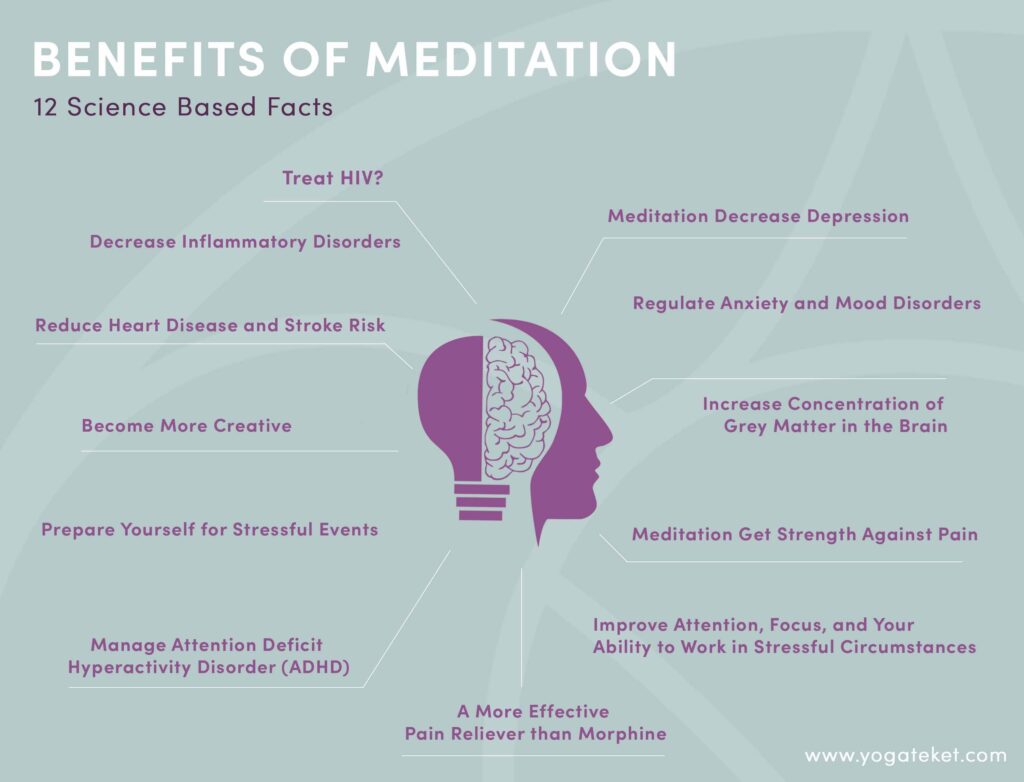
Science-based meditation focuses on measurable outcomes rather than belief systems. Heart-centered meditation actively trains emotional regulation and coherence through breathing and emotional focus.
Unlike passive techniques, this approach produces observable physiological changes. It is accessible, practical, and grounded in neuroscience.
This form of meditation offers a reliable path to clarity, balance, and resilience.
Self-Reflection Question
What would happen if I practiced emotional balance with the same consistency as any other skill?
Sustainable Cities
Inspired by The Venus Project
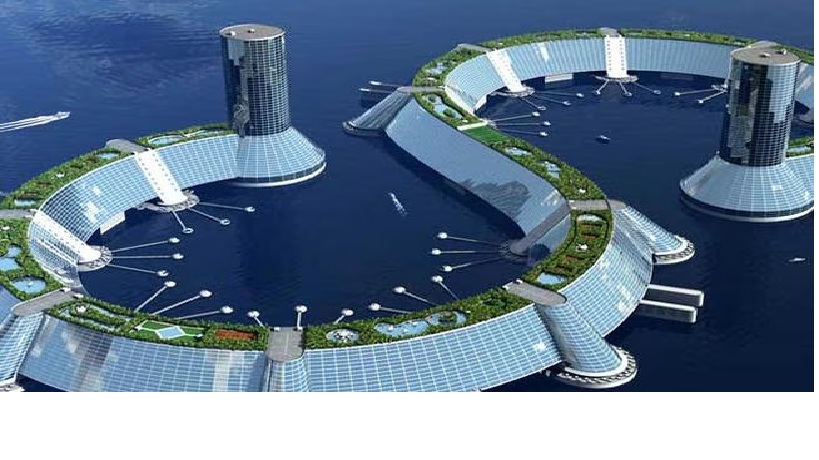
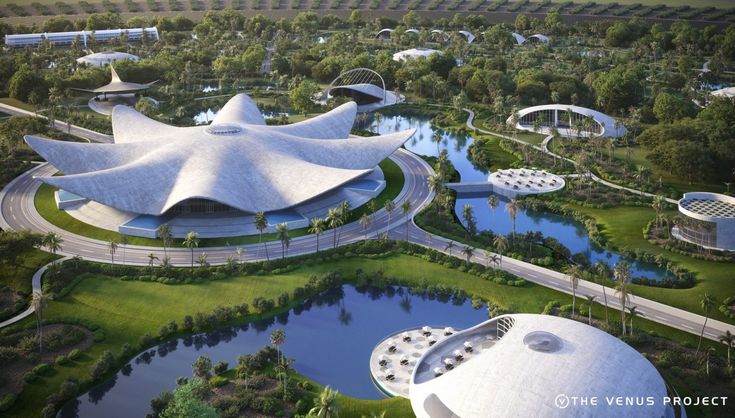
Sustainable cities are designed to support human life while preserving the natural environment. The Venus Project proposes cities that function as integrated systems, where transportation, energy, housing, and food production work together efficiently. These cities are built using circular designs that reduce waste, conserve resources, and maximize accessibility.
Instead of expanding endlessly, sustainable cities are compact, automated, and strategically planned. Renewable energy sources power infrastructure, while intelligent transportation systems reduce congestion and pollution. Green spaces are integrated into urban environments to support mental well-being and ecological balance.
In this model, cities are designed for people—not profit. Efficiency replaces excess, and technology is used to enhance quality of life rather than exploit resources. Sustainable cities represent a shift from short-term growth to long-term survival and harmony with the planet.
Self-Reflection Question
If my city were designed around human well-being instead of profit, how would my daily life change?
Automation and AI
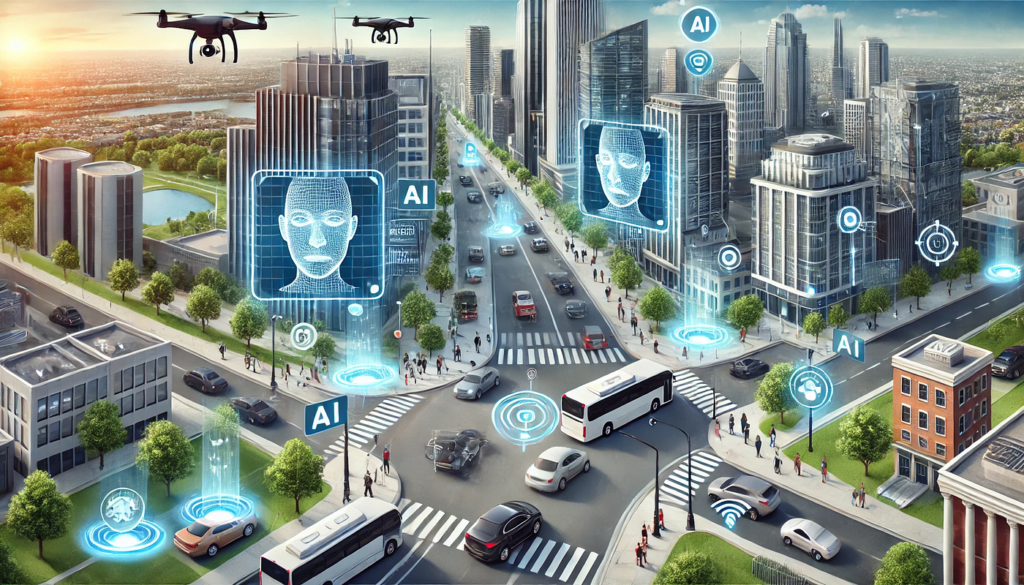
Automation and artificial intelligence play a central role in the Venus Project’s vision of the future. Machines are designed to perform repetitive, dangerous, and labor-intensive tasks, freeing humans from survival-based work. This allows people to focus on creativity, learning, and social development.
AI systems manage resource distribution, transportation, agriculture, and infrastructure with greater efficiency and accuracy than human-managed systems. Decisions are based on data, sustainability, and human needs rather than profit or political influence.
Automation is not viewed as a threat, but as a tool for liberation. By removing the need for forced labor, society can redefine purpose beyond employment and income.
Self-Reflection Question
Who might I become if my survival no longer depended on selling my labor?

Renewable Energy
Renewable energy is the foundation of a sustainable civilization. The Venus Project emphasizes solar, wind, geothermal, and tidal energy to power cities without harming the planet. These sources are abundant, clean, and capable of meeting global energy demands.
By transitioning away from fossil fuels, society reduces pollution, climate instability, and resource conflicts. Energy becomes a shared resource rather than a commodity controlled by a few.
Renewable systems are integrated directly into city design, making energy generation local, efficient, and resilient.
Self-Reflection Question
How does my current energy use reflect my values about the future of the planet?
Systems Thinking
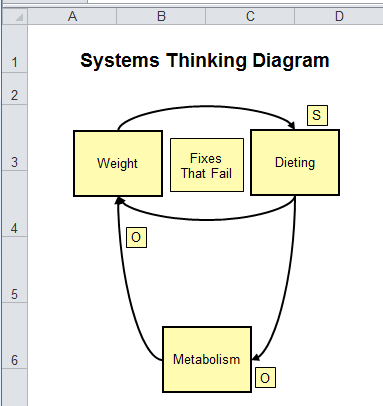
Systems thinking recognizes that social, environmental, and technological challenges are interconnected. The Venus Project applies this approach to city planning, economics, education, and governance.
Instead of solving problems in isolation, systems thinking examines root causes and long-term effects. Changes in one area are evaluated based on how they impact the whole system.
This approach reduces unintended consequences and creates more stable, adaptable societies.
Self-Reflection Question
How often do I consider the wider impact of my actions beyond immediate results?
Environmental Harmony
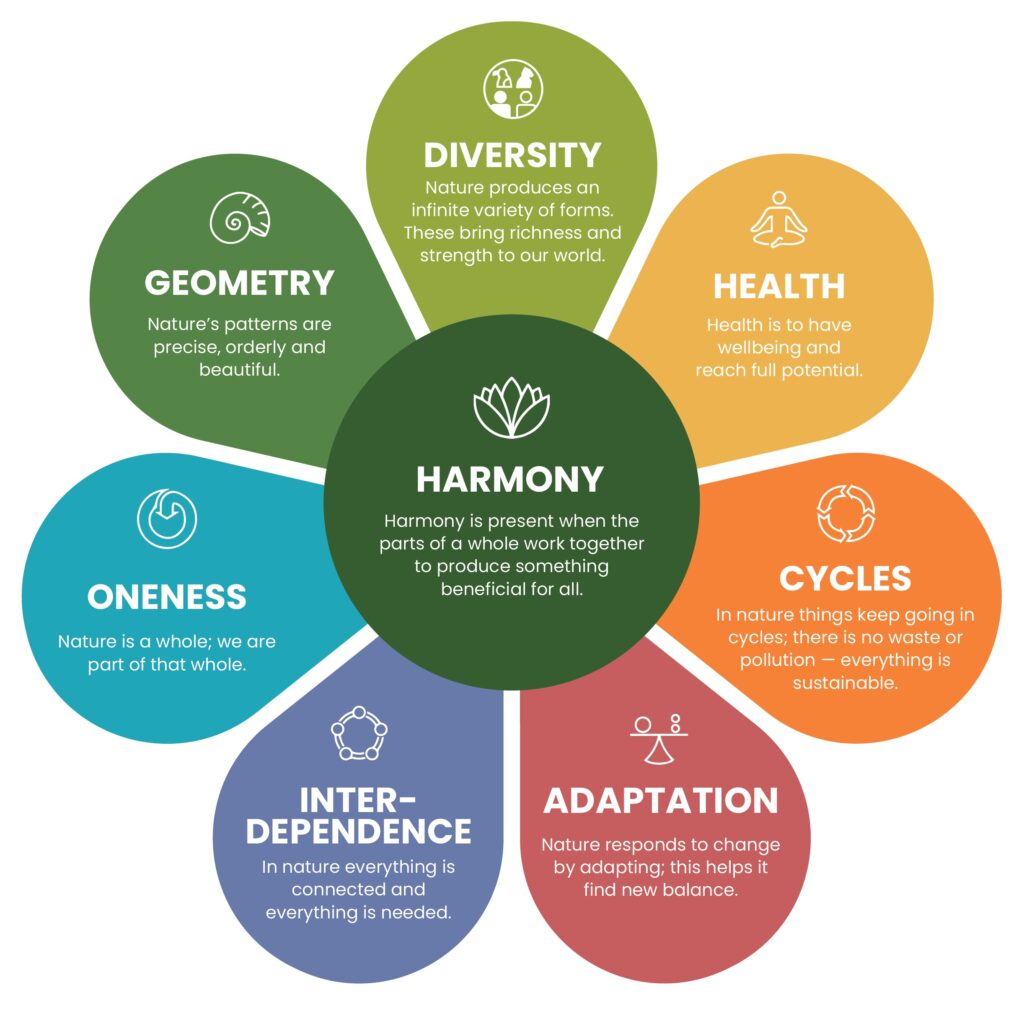
Environmental harmony means designing human systems that work with nature rather than against it. The Venus Project views humans as part of the natural ecosystem, not separate from it.
Cities are designed to minimize environmental disruption, recycle materials, and regenerate ecosystems. Waste is eliminated through intelligent design, and biodiversity is protected as a vital component of planetary health.
Harmony with nature ensures long-term survival for both humanity and the environment.
Self-Reflection Question
Do my daily choices contribute to harmony with nature—or separation from it?

Global Cooperation
The Venus Project envisions a world beyond borders, competition, and nationalism. Global cooperation replaces rivalry, recognizing that Earth’s resources belong to all people.
Challenges such as climate change, poverty, and pandemics require unified solutions. Cooperation allows knowledge, technology, and resources to be shared efficiently and ethically.
A cooperative world prioritizes collective survival over individual gain.
Self-Reflection Question
How might the world change if humanity saw itself as one global family?
Scientific Social Design
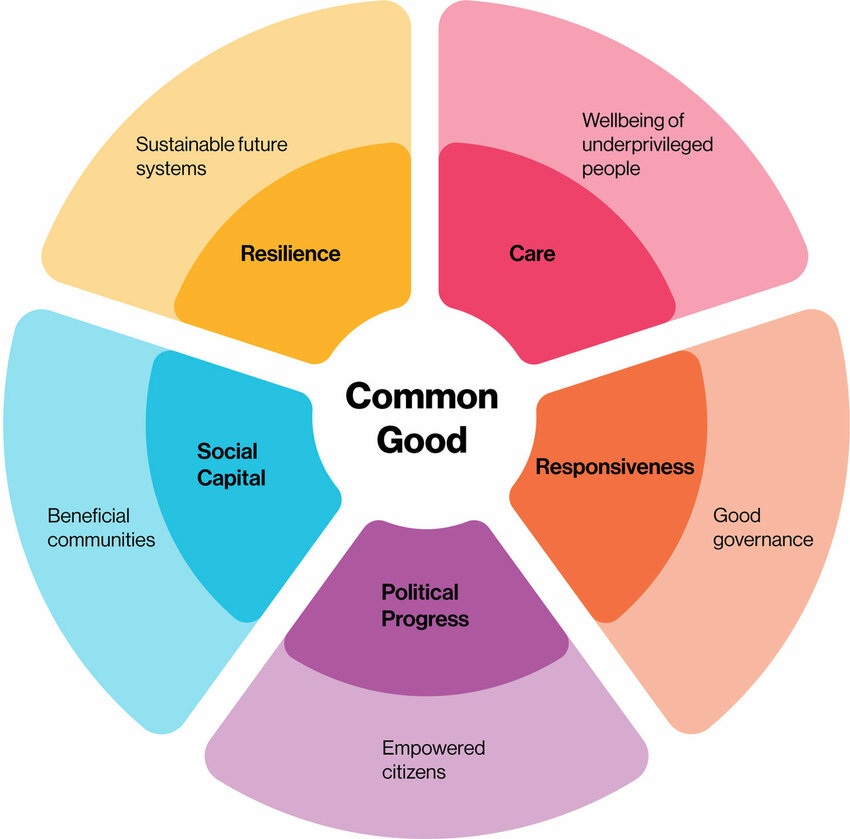
Scientific social design applies the scientific method to social systems. Policies and structures are based on evidence, testing, and measurable outcomes rather than ideology or tradition.
If a system fails, it is redesigned—not defended. This allows society to evolve intelligently as conditions change.
Human behavior is understood as shaped by environment, education, and access—not morality alone.
Self-Reflection Question
What beliefs do I hold simply because “that’s how things have always been”?
Elimination of Scarcity
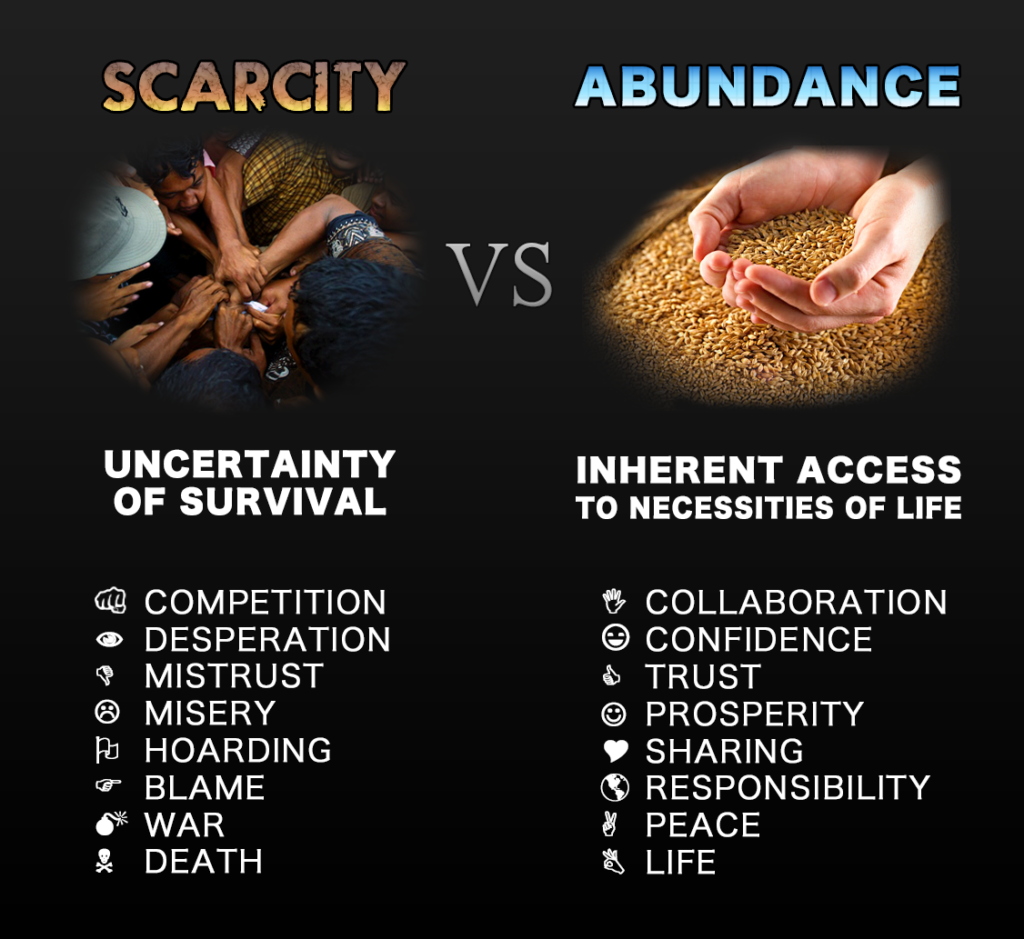
Scarcity is often artificially created through monetary systems and unequal distribution. The Venus Project proposes using technology and automation to ensure everyone’s basic needs are met.
When access replaces ownership, competition decreases and cooperation increases. Crime, poverty, and exploitation decline as survival anxiety disappears.
Abundance becomes a result of intelligent resource management.
Self-Reflection Question
How has the fear of not having enough shaped my decisions and behavior?
Future-Oriented Education
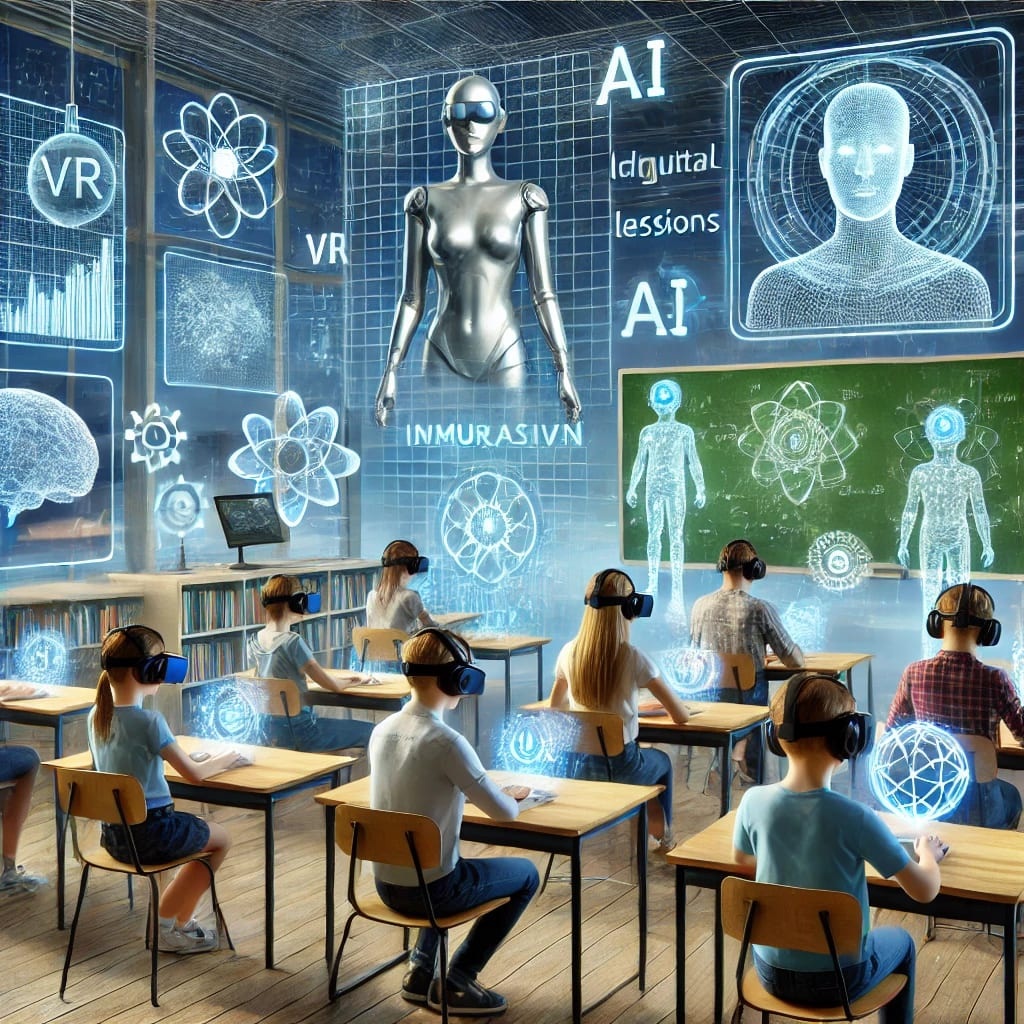
Education in the Venus Project is lifelong, exploratory, and adaptive. Instead of rote memorization, learners develop critical thinking, creativity, and problem-solving skills.
Education prepares individuals to understand systems, technology, and human behavior. Curiosity replaces competition, and learning becomes a natural process rather than an obligation.
A future-oriented education system prepares humanity for change rather than outdated careers.
Self-Reflection Question
If learning were driven by curiosity instead of pressure, what would I want to explore?
Resource-Based Economy
An Alternative to Money-Driven Systems
A Resource-Based Economy (RBE) is the economic foundation of the Venus Project. In this system, all goods and services are available to everyone without the use of money, debt, or barter. Decisions are based on the availability of resources and the needs of the population, rather than profit or market competition.
Advanced technology, automation, and data systems are used to monitor resources, manage production, and distribute goods efficiently. This removes waste, planned obsolescence, and artificial scarcity. When access replaces ownership, society shifts from competition to cooperation.
In a Resource-Based Economy, work is no longer tied to survival. Education, creativity, and innovation become central to human life. Social problems such as poverty, crime, and inequality diminish as basic needs are universally met.
Rather than controlling behavior through money, society is guided by intelligent design and environmental limits. Abundance becomes a technical challenge—not a moral debate.
Self-Reflection Question
How would my values, goals, and sense of purpose change if money no longer defined my worth or survival?
Heart Intelligence
Inspired by the work of Greg Braden
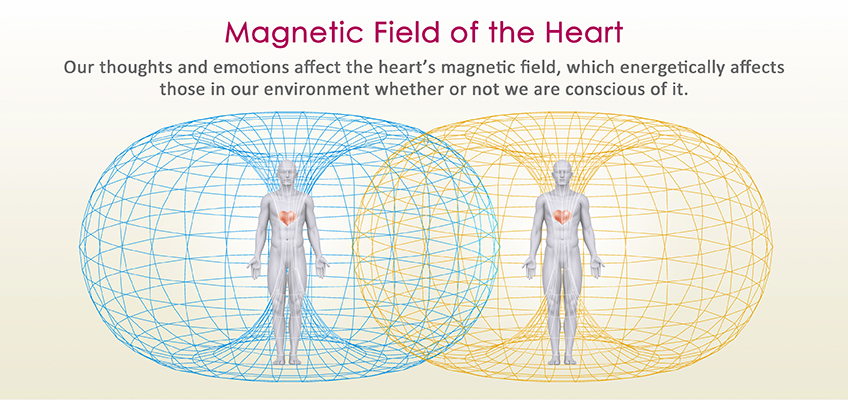
Heart intelligence refers to the heart’s ability to process information independently of the brain. Scientific studies show that the heart generates the strongest electromagnetic field in the human body, extending beyond the physical form and influencing both internal biology and external interactions. Greg Braden emphasizes that the heart is not merely emotional—it is perceptive, responsive, and deeply intelligent.
The heart responds first to stimuli before the brain consciously interprets events. This suggests that intuition, gut feelings, and emotional insight arise from heart-based awareness rather than rational thought alone. When individuals learn to listen to the heart, decisions become more aligned with well-being and purpose.
Heart intelligence bridges science and ancient traditions that have long recognized the heart as the center of wisdom. When accessed consciously, it becomes a guiding force for clarity, connection, and emotional balance.
Self-Reflection Question
What might change if I trusted my heart as much as my mind when making decisions?
Consciousness Science
Consciousness science explores the idea that awareness is not produced solely by the brain, but is a fundamental aspect of reality itself. Greg Braden draws on physics, biology, and neuroscience to suggest that consciousness interacts with the physical world rather than passively observing it.
Research indicates that human perception, intention, and emotion influence biological systems. Consciousness becomes an active participant in health, behavior, and experience. This challenges traditional views that separate mind from matter.
By understanding consciousness as a field rather than a byproduct, individuals gain responsibility for their internal state. Awareness becomes a tool for transformation rather than a passive experience.
Self-Reflection Question
How would I live differently if I believed my awareness actively shaped my reality?
Emotional Coherence
Emotional coherence occurs when thoughts, emotions, and physiological responses align harmoniously. Greg Braden emphasizes that emotions such as gratitude, compassion, and appreciation create coherent heart rhythms that support healing and clarity.
Incoherent emotional states—such as fear or anger—disrupt biological communication and weaken resilience. Coherence, on the other hand, enhances immune function, emotional stability, and mental clarity.
By consciously choosing coherent emotions, individuals regulate their nervous system and influence their internal environment. Emotional coherence becomes a bridge between inner experience and physical reality.
Self-Reflection Question
Which emotions dominate my inner world—and how do they shape my health and behavior?
Quantum Reality
Quantum reality suggests that the universe is not fixed, but responsive. Greg Braden often references quantum principles showing that observation, intention, and belief influence outcomes at the smallest levels of matter.
In this view, humans are not separate from reality but participants within it. Emotion and intention act as signals that interact with the quantum field, influencing probability and experience.
This understanding reframes personal responsibility. Reality is no longer something that simply happens—it is something we co-create through awareness and emotion.
Self-Reflection Question
What am I unconsciously contributing to the reality I experience every day?
Ancient Wisdom Integration
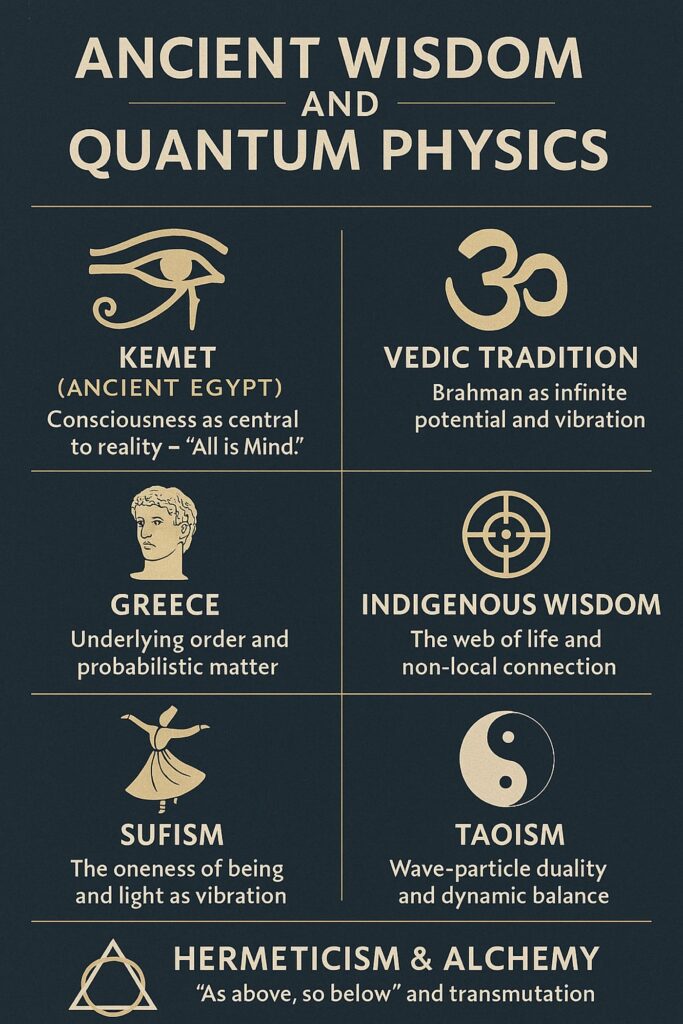
Ancient cultures understood principles of consciousness long before modern science could measure them. Greg Braden integrates teachings from ancient texts with contemporary research, revealing a shared understanding of reality.
Practices such as prayer, meditation, and sacred geometry are reexamined through scientific lenses. Rather than superstition, they become technologies of consciousness.
This integration honors ancient knowledge while grounding it in evidence. Wisdom traditions become practical guides for modern life rather than relics of the past.
Self-Reflection Question
What ancient knowledge might I have dismissed that deserves a second look through science?

Self-Healing
Self-healing is the body’s innate ability to restore balance when supported by coherent emotions and beliefs. Greg Braden highlights research showing that belief, expectation, and emotional state directly influence healing outcomes.
The body responds to internal signals as powerfully as external treatments. When fear is replaced with trust and coherence, healing mechanisms activate naturally.
Self-healing does not replace medicine—it complements it by addressing the emotional and conscious factors often overlooked.
Self-Reflection Question
What beliefs about my body might be limiting its ability to heal?
Belief Systems
Belief systems act as internal programs shaping perception, behavior, and biology. Greg Braden explains that beliefs influence outcomes not because of wishful thinking, but because the body responds as if beliefs are real.
Subconscious beliefs often override conscious intention. Identifying and updating these beliefs is essential for lasting change.
By aligning belief with intention, individuals reclaim agency over their experience and health.
Self-Reflection Question
Which belief about myself might be quietly shaping my limitations?
Human Potential
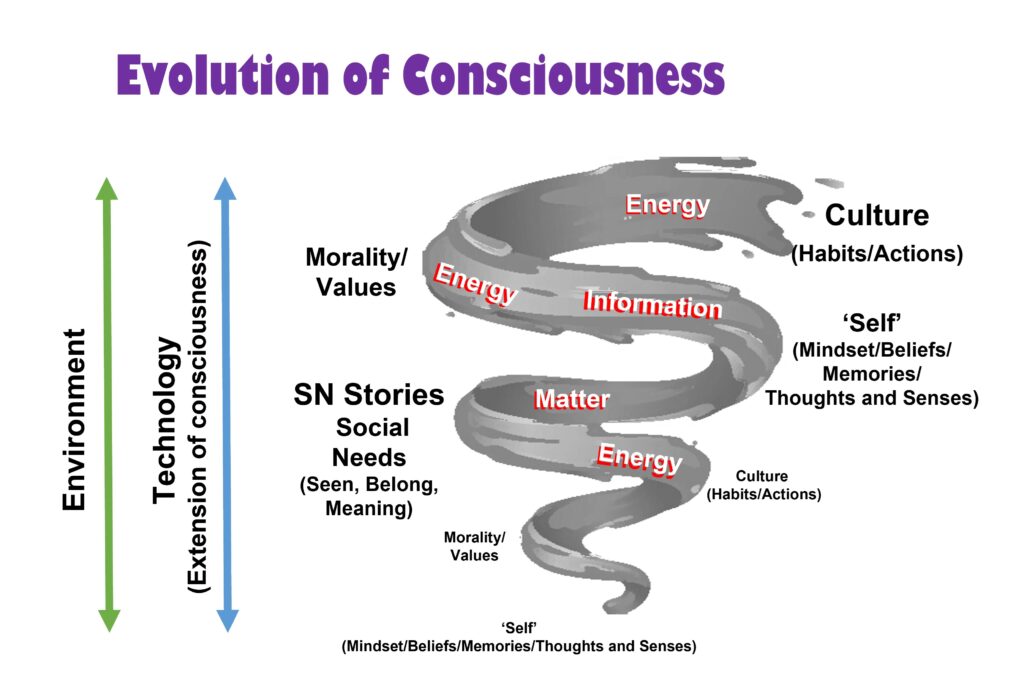
Human potential extends far beyond survival and productivity. Greg Braden suggests that humanity is capable of extraordinary resilience, intuition, and compassion when operating from coherence.
Potential is unlocked not through force, but through alignment—emotionally, mentally, and biologically. When fear-based systems dissolve, creativity and cooperation emerge naturally.
Human potential flourishes when inner balance replaces external pressure.
Self-Reflection Question
Who might I become if I fully trusted my capacity for growth and resilience?
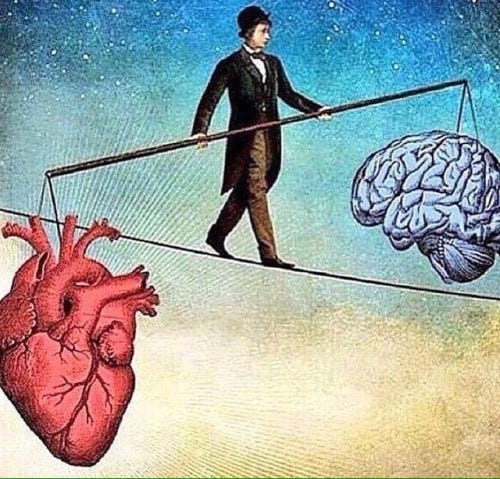
Mind–Heart Alignment
Mind–heart alignment occurs when thoughts and emotions support the same intention. Greg Braden emphasizes that conflict between thinking and feeling creates stress and incoherence.
When the mind and heart agree, the body responds with clarity and stability. Decisions feel grounded rather than forced.
Alignment creates internal consistency, making actions more effective and sustainable.
Self-Reflection Question
Where in my life are my thoughts and feelings sending mixed signals?
Personal Transformation
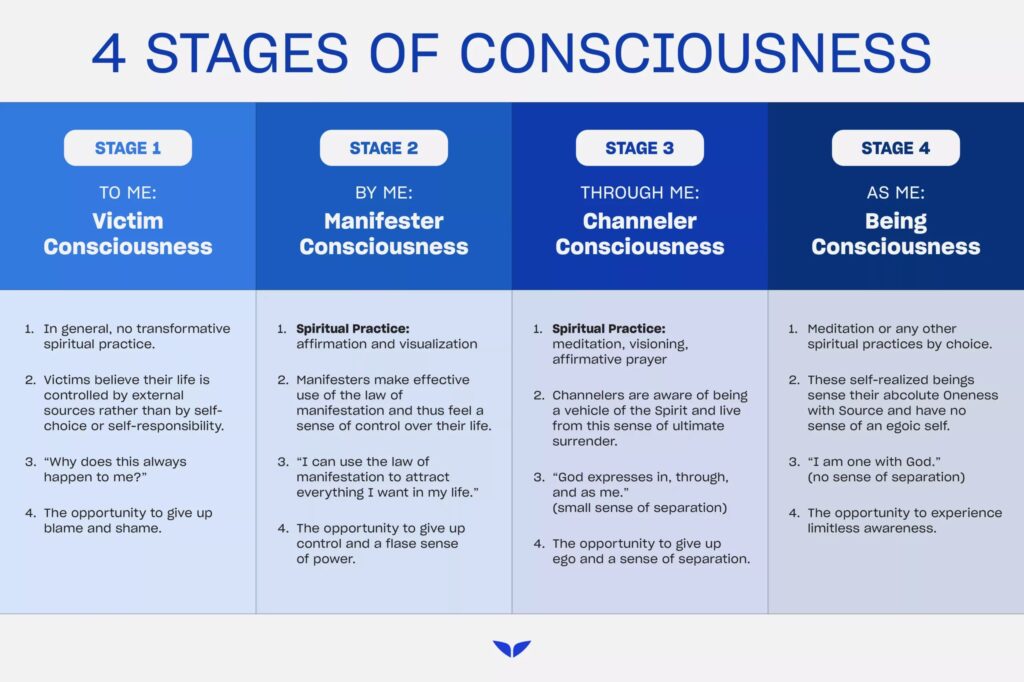
Personal transformation is not about becoming someone new, but remembering what has been suppressed by fear and conditioning. Greg Braden frames transformation as a shift in awareness rather than effort.
As beliefs, emotions, and intentions align, behavior changes naturally. Life becomes guided by coherence instead of reaction.
Transformation begins internally and radiates outward into relationships, health, and purpose.
Self-Reflection Question
What part of myself is ready to evolve if I allow it?